


The anatomy of a service page that converts

Posted by Scott Stanford
Last updated 13th January 2020
reading time
-
Talk about the customers' risks of inaction
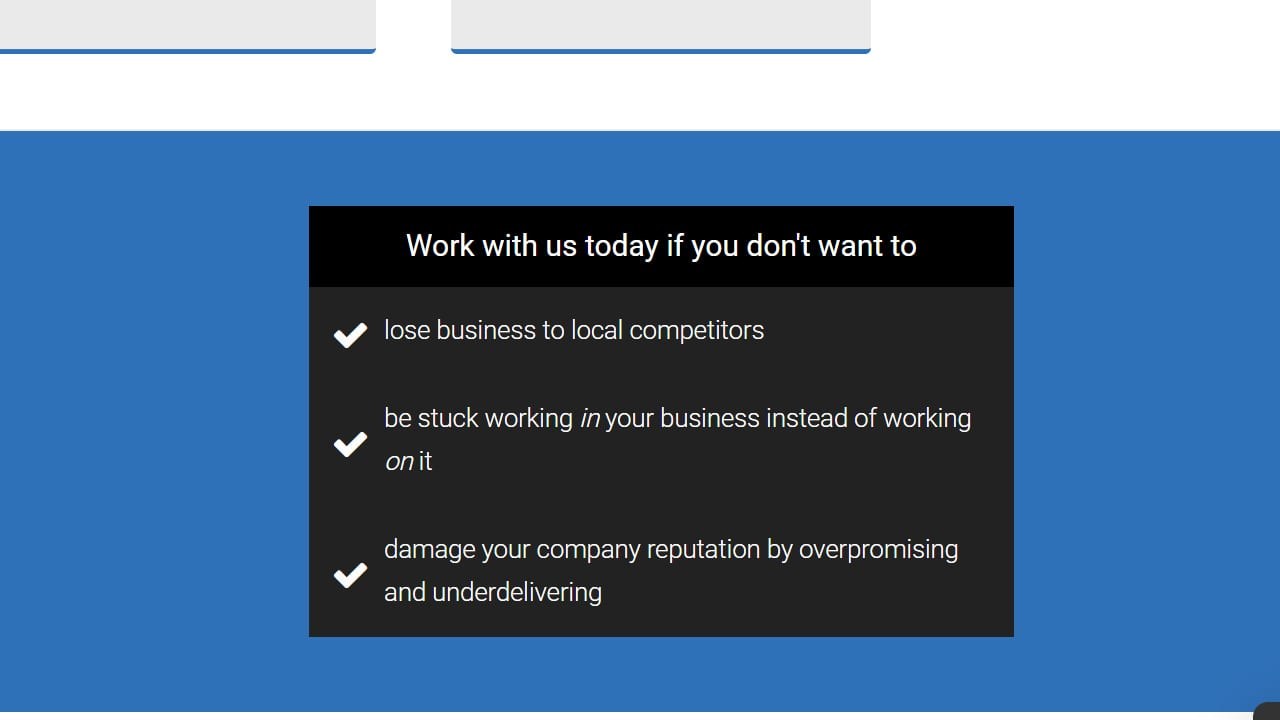
When it comes to creating a compelling argument for prospects, one of the things that will speak to the emotional core of most people is knowing the pain points they'll want to avoid. It's really about driving home why this service matters so much to any given customer.
In other words, why not write about what will happen if your service is not provided? Some great examples of this in action include late filing of taxes could result in penalties and fines, or a late service on your boiler cold cause much larger issues and repair costs down the line.
If you pull this off, your service page will act as a pre-sales education tool and not just a blanket statement of what you can do.
-
Talk about your ability to deliver
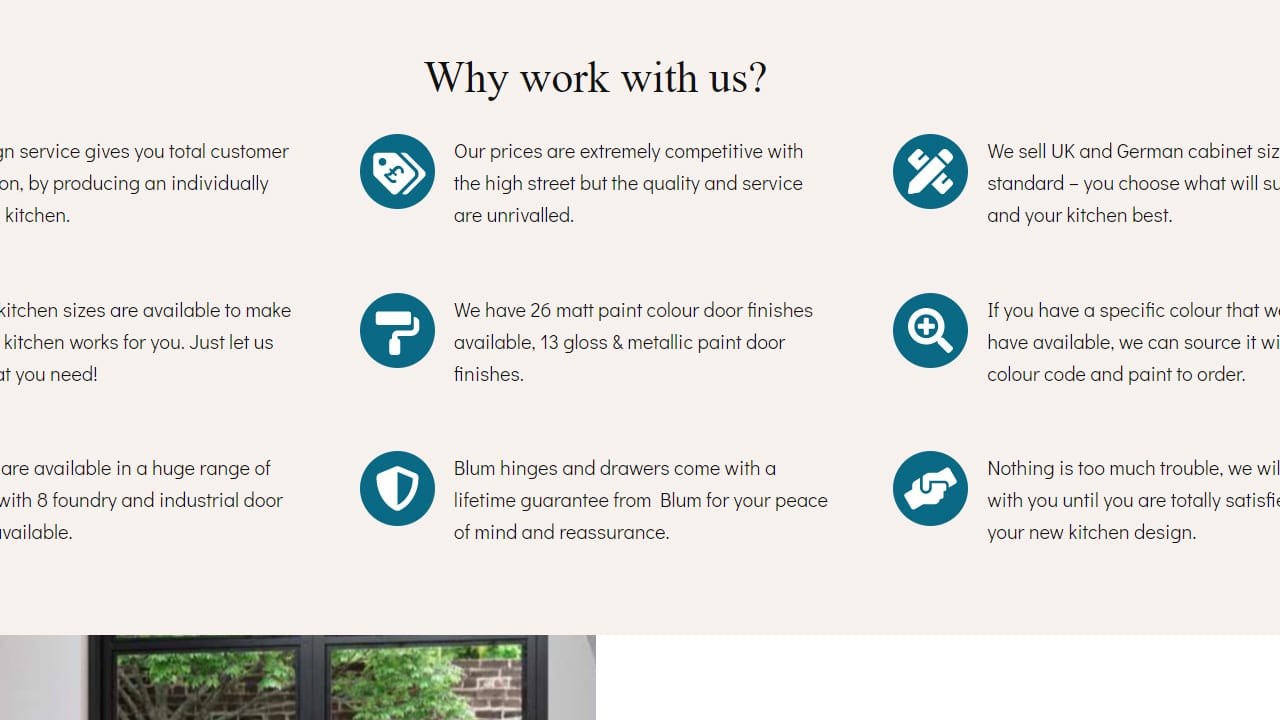
Now that your customers are aware of what you do and why your offering is important in general, it is essential to qualify why your company should be chosen over the competition.
Can you talk about what you do differently or better than others in your space? Typically, you'll differentiate based on price or locality, but there are many ways you can wow your customer base - your years of experience, your commitment to standards, quality of work, accreditations and much more.
Just think about what makes your business the ideal choice - and share it on your service page!
-
Talk about your ideal customer type(s)

A great way to qualify leads early on in their visit your service page is to describe who the page is a perfect fit for. Looking at customer types and verticals is core to targeted marketing success.
A boiler repair could be described as a fantastic option for homeowners, landlords or managed lettings agents for example. Having this written out on your page helps each of these niches to know that you can deliver for their specific needs.
This process is no different from a physical store. Imagine your local supermarket, which has aisles for frozen foods, toiletries, pets etc. This is an intentional decision to help guide every visitor in the store to the area(s) that matter most to them.
-
Talk about what drives customers to this service
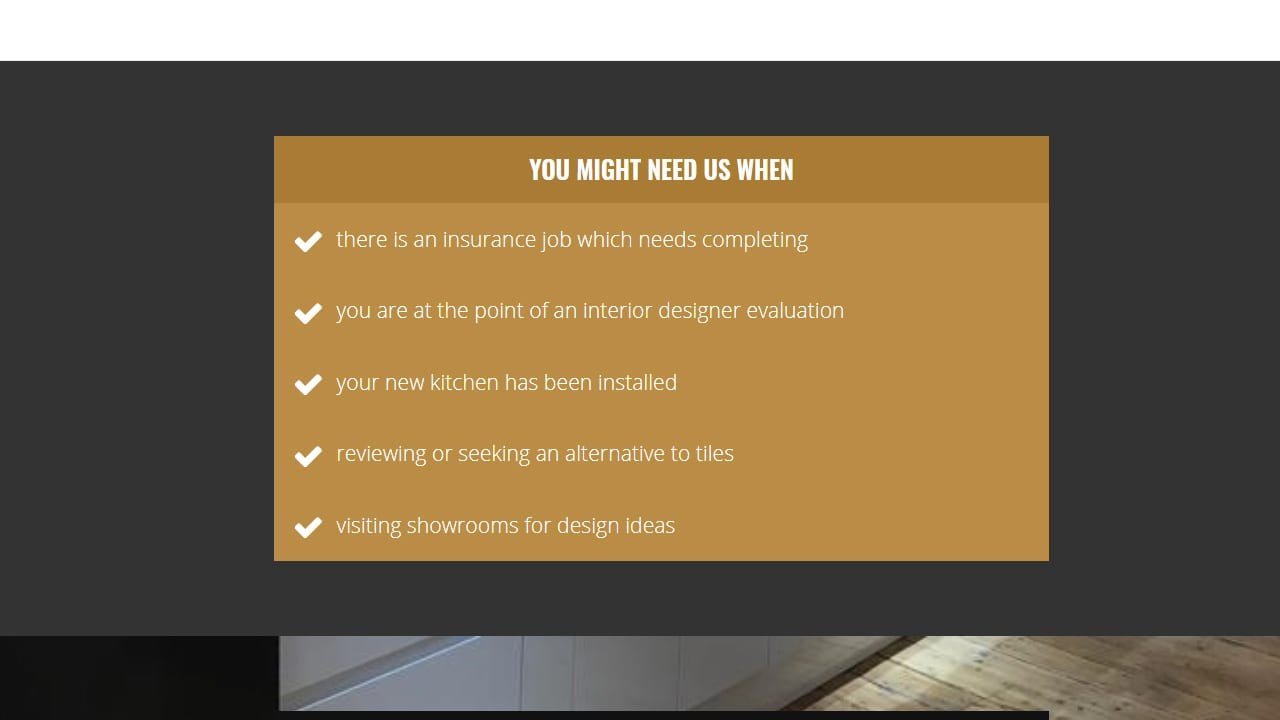
The lead nurture process online typically starts with identifying a problem (this is before offering a solution). Writing about what may have caused visits to your page is the best way of showing you can empathise with the problems customers face.
This naturally leads on to the resolution (or specifically the services you can offer) to the challenges in question. It provides a seamless marketing transition and point to convert business.
-
 AuthorMarketing Land
Every aspect of marketing is entirely useless unless it produces conversions.
AuthorMarketing Land -
Talk about your process
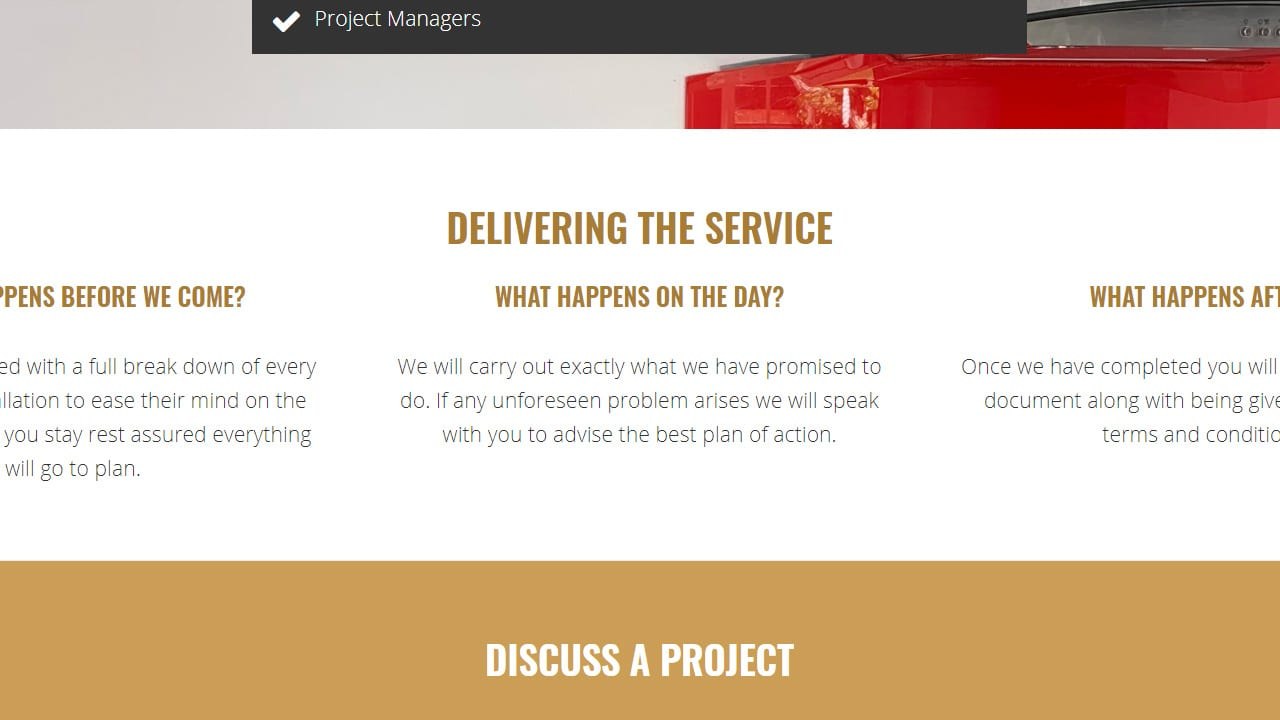
The core of your service should be explained here and serves as a great content tool for both humans and search engines alike.
If this could be broken down into 3 logical steps, you may want to write about:
- What will happen before the service is provided? What is the pre-sales process (do you have a site visit, an official quote, a project timeline etc)?
- What will happen on the day the service is provided? When will your team arrive, how will you keep customers informed of progress?
- What will happen after the service is provided? What after-sales care do you offer?
-
Handle objections and common questions in advance
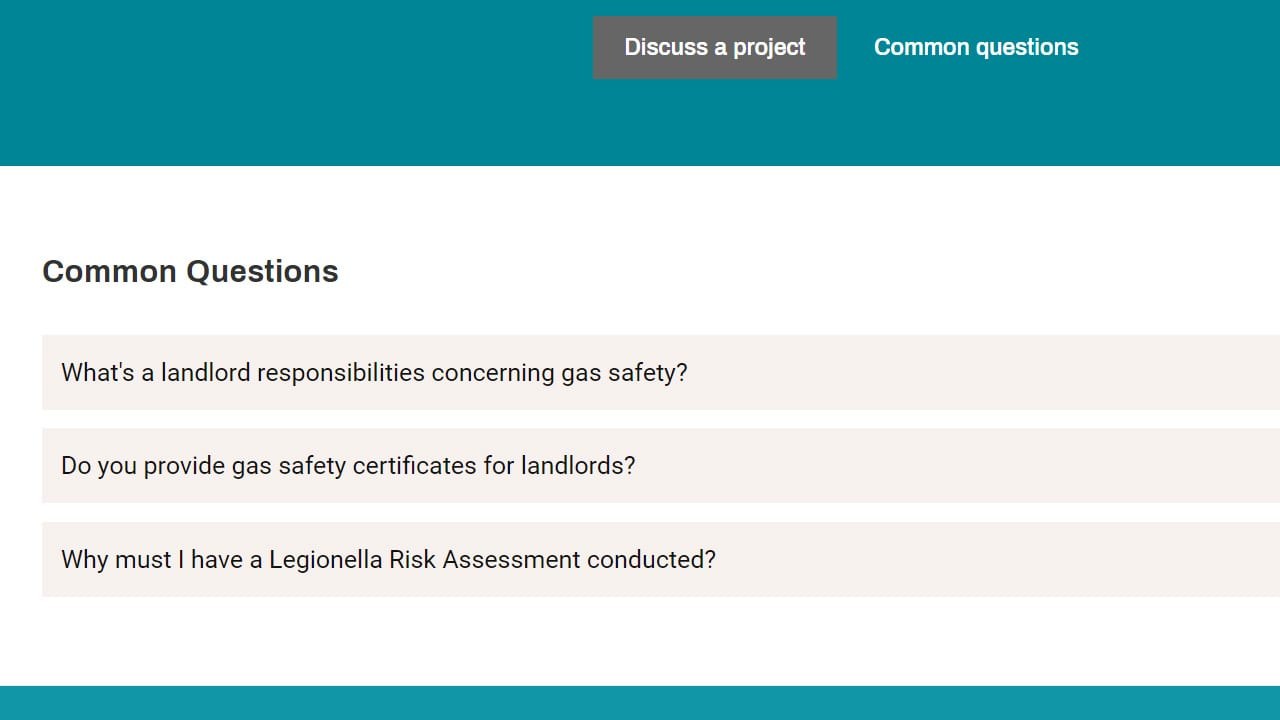
Ask yourself, what are the most common questions clients ask me about this service?
Having these FAQs directly on your service pages will serve as the perfect sales education tool, and cut down the sales cycle significantly. Think of how much time you could save by having the answers to the predictable objections listed out in an easy to digest format.
Styling these question/answer combos is equally important - design and user experience plays a pivotal role in your ability to generate work. If you have a lot of common questions related to your service, you may want to consider using accordions so that only one answer is visible at a time.
-
Show your industry knowledge

Including useful industry statistics and quotes can serve as a reminder as to why your service is needed and works as a great way of breaking up what can be very text-heavy content.
A quick search online can help you find some valuable statistics related to your industry that you can include on your web page with ease.
-
Include related content
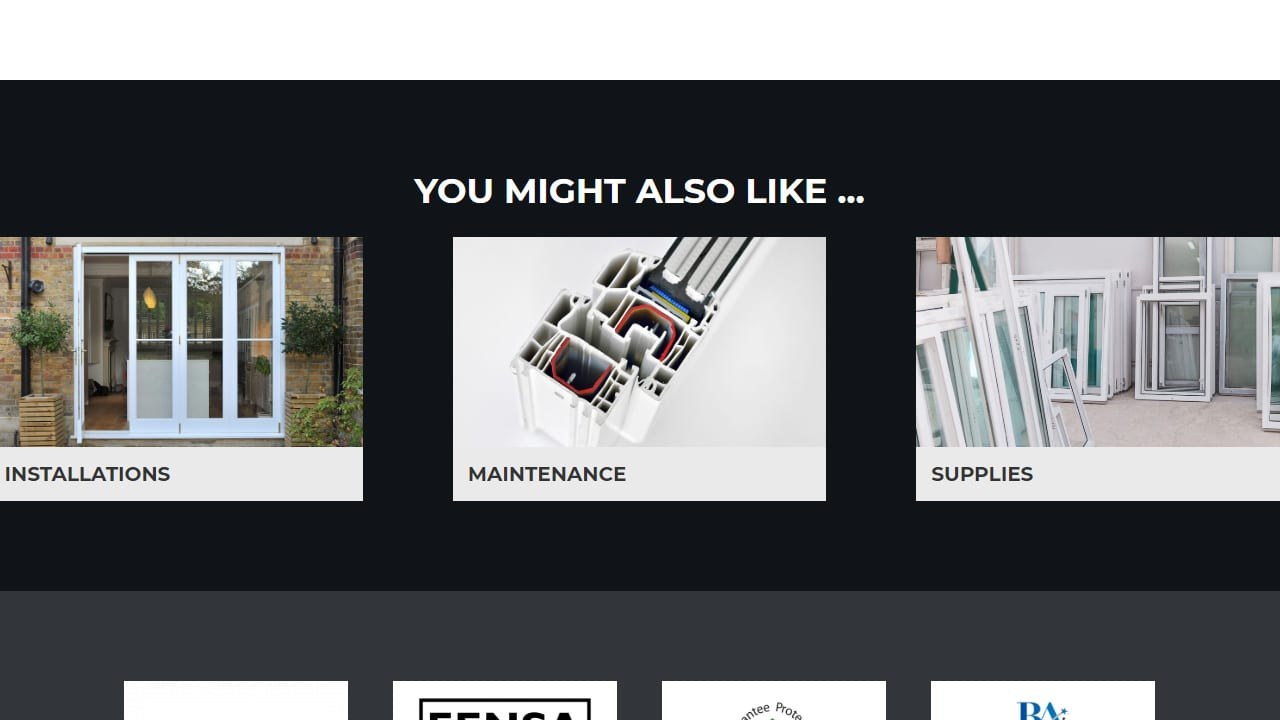
Helping customers and prospects to identify you as an authority in your field is a surefire way to build trust quickly.
You can achieve this on your service pages by including content related to the topic at hand. This content could take many forms, from blog articles through to downloadable resources like eBooks, videos and more.
-
Offer social proof
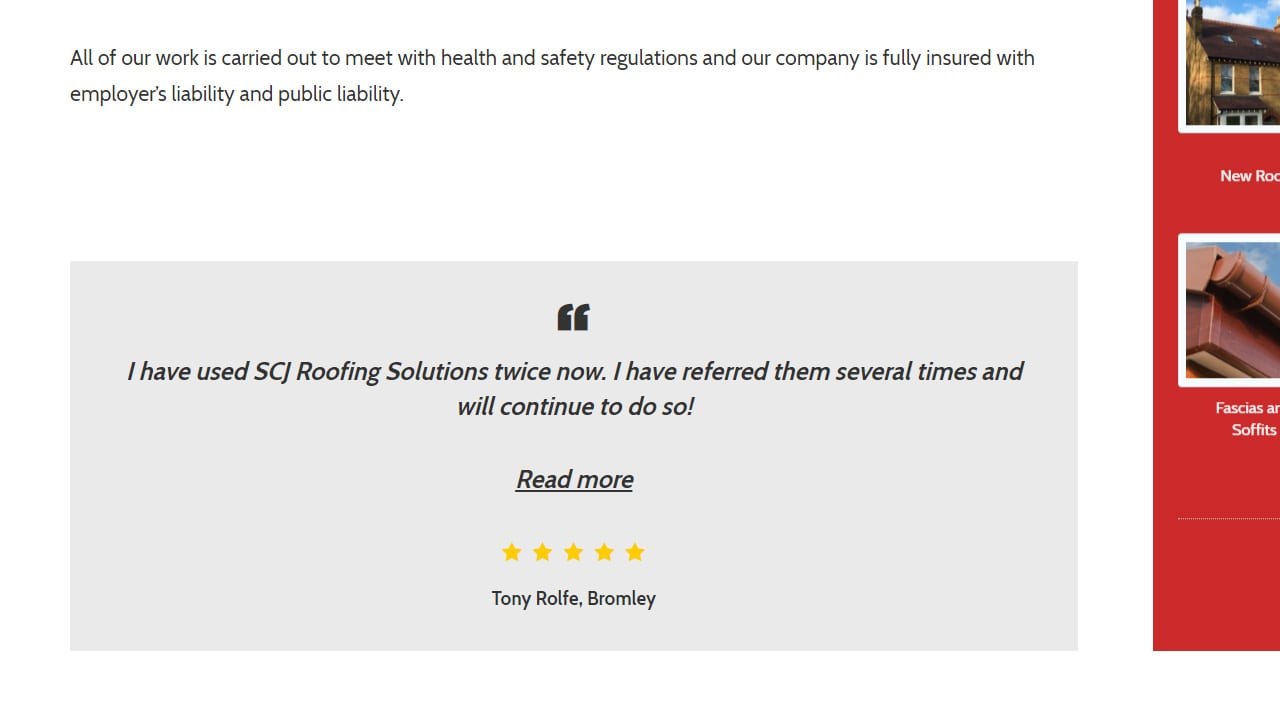
Probably the best means of convincing potential clients beyond your own words is the words and experiences of others who have gone through your process.
Including case studies and testimonials of historic clients will help to prove you can deliver your service to the highest of standards.
Regardless of your industry, a case study needn't be too long or verbose. In a few sentences, simply talk about the problem your customer faced before they met you, the solution(s) you offered to help and finally the results they achieved as a result of your involvement.


