


The anatomy of video pages that engage viewers

Posted by Scott Stanford
Last updated 6th February 2021
reading time
-
The video itself
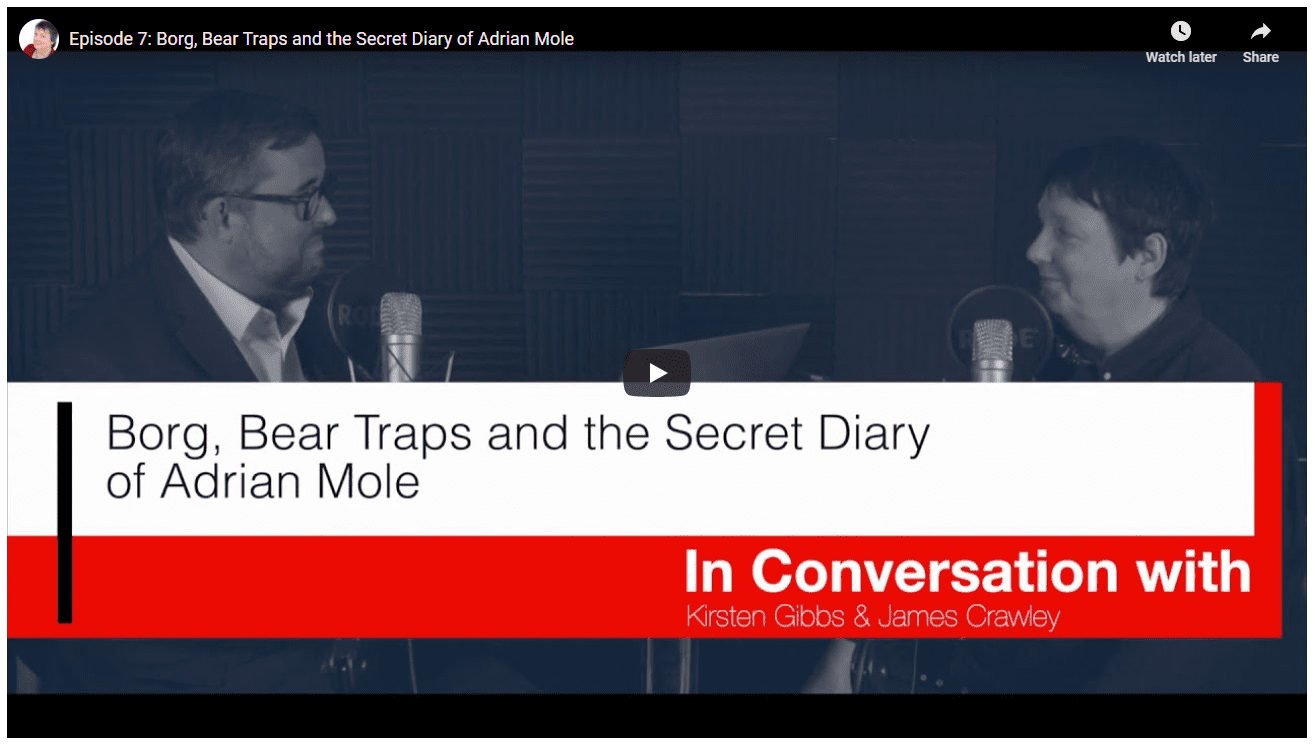
It should go without saying, but a video page without a video attached would be like a car with no engine! The foundation of a quality video page is the video content that gets attached to it. It is what will engage website visitors and cause them to be either informed or persuaded to make a decision.
When it comes to producing video content, there is a range of styles and formats which you may want to consider applying. From animated videos through to a talking-head style or even a high-end produced editorial piece, your open to many choices.
As a growing business, however, it is crucial to find the right balance between being professional and being personable. This is a delicate tightrope to navigate, and doing this right will engage viewers to no end. You will have them on tenterhooks ready for your latest and most incredible videos to be shared!
Where should I host my video content?
So, separate to showing the video embedded on your web pages, you'll also want to ensure the content is stored somewhere that can handle any scale in viewers with ease. Alongside this, a space where you can further syndicate this visual to ensure it gets you the maximum reach online.
There are a range of video platforms that provide this functionality, with some clear forerunners in this field being the likes of YouTube and Vimeo. These both enable you to upload videos, whether at home, in the office or on the go. This content is searchable both on the respective platforms and via Search Engines, so include accurate and engaging descriptions and titles to increase your chances of being found and viewed.
-
 Journalist
YouTube is the most popular video service in the world. It’s how Americans, and the rest of the world, overwhelmingly search for videos.
Journalist -
A video transcript
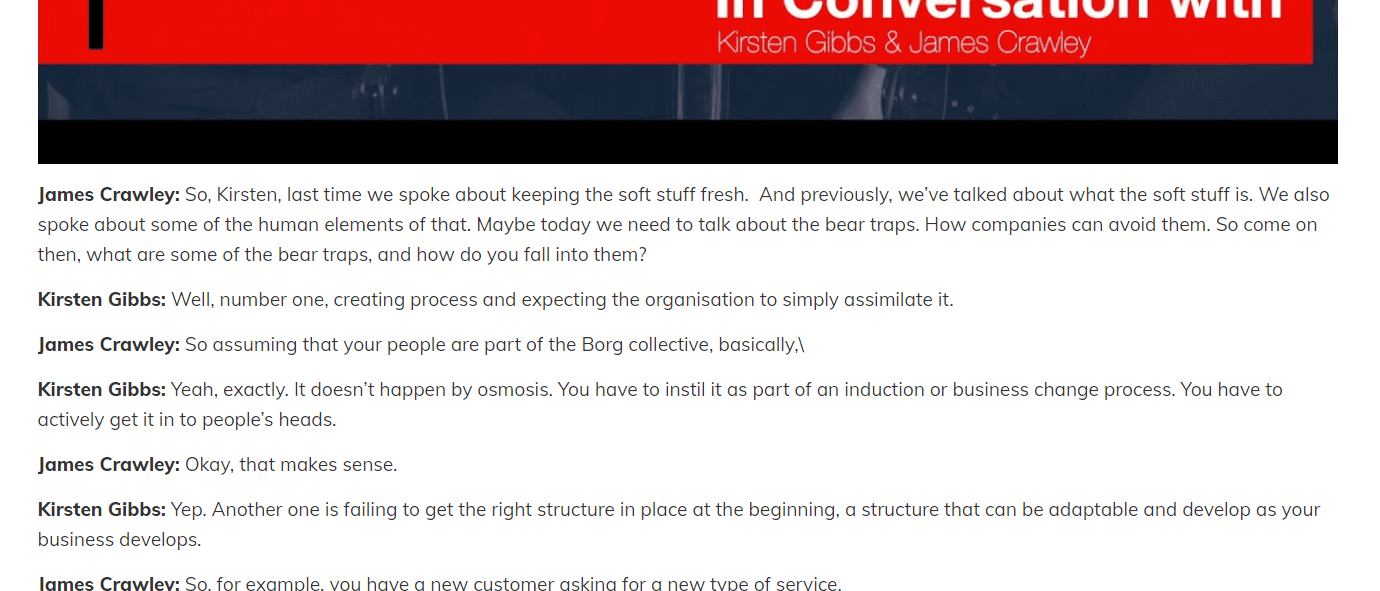
When working on a video, it does help to have a pre-written script that you follow. It will help you to stay on track and not lose focus on the core points you intend to cover. That being said, life does sometimes get in the way, and sticking to the script (no pun intended) may not always happen.
As viewers may be watching many minutes of video, providing a transcript of the text can be a powerful way of allowing people to filter and search for the parts that matter most to them. You may be surprised to hear that this process is neither timely nor technically challenging.
If you're looking for quality tools to support your video transcription efforts, why not try a free tool like oTranscribe, which will help you get to grips with the whole process? There are also paid tools that will automatically transcribe your content for you (a quick Google search for video transcription software will present an array of options).
-
A selection of related videos
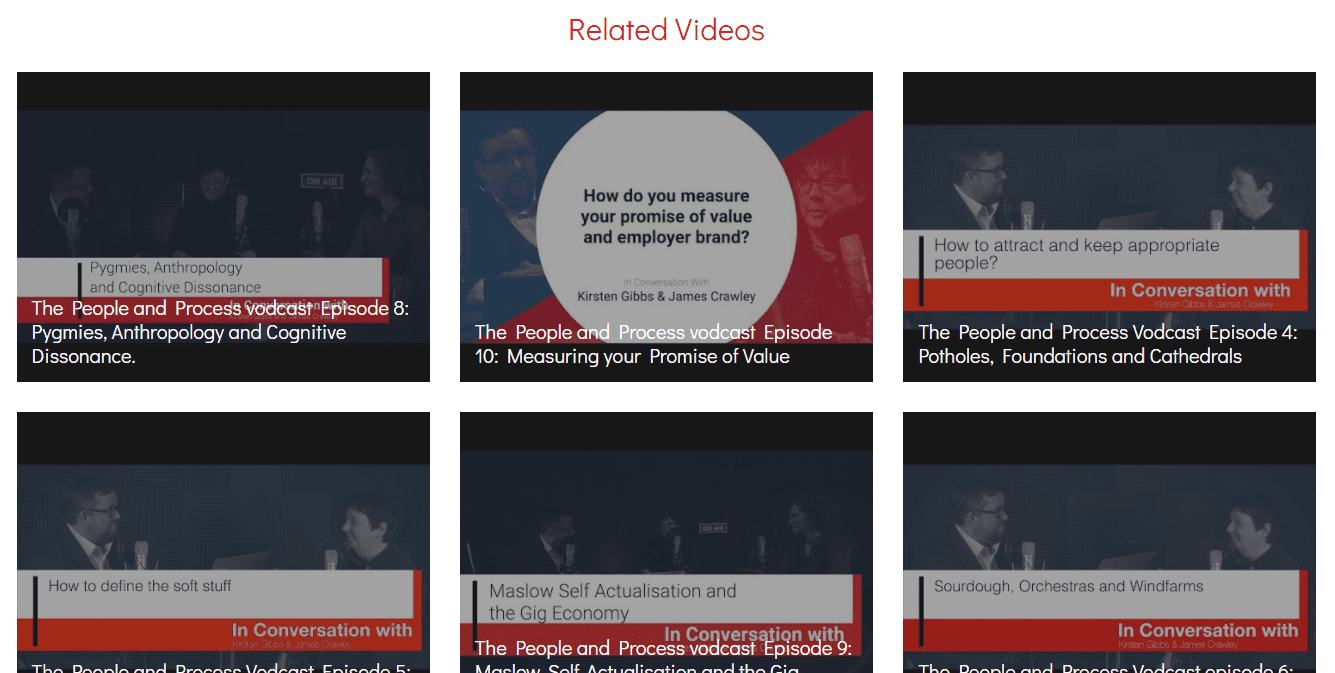
Including a hand-picked or dynamically selected of related videos to the current video page is a fantastic way of providing continuity in the online experience.
Depending on your platform, this may be taken care of for you automatically. No worries if not, as you create an ever-growing library of video content. The process of finding suitable matches for the current video will become simpler and more straightforward.


